
Campaigns that don’t land in store
Printed POS arrives late, goes up in the wrong place, or stays up after the promotion has ended.
We'd like to use analytics cookies from Google Analytics and PostHog to understand how people use our website, so we can improve it. We won't set them unless you accept. How we use cookies
You've accepted analytics cookies.
You've rejected analytics cookies.
Coming soon
We’re putting the finishing touches to it. In the meantime, explore our software or talk to our team.
Volume supplies the screens, media players and Hubble CMS behind retail digital signage, from a single shop window to estates of hundreds of stores, and installs and supports them too. Head office schedules campaigns by store, region, time of day or weather, and every screen reports back what it played.
Printed point of sale and screens updated by hand can’t keep up with how fast retail campaigns change.
Printed POS arrives late, goes up in the wrong place, or stays up after the promotion has ended.
Layouts, screen counts, local offers and opening hours vary from store to store, so one campaign rarely fits all.
Ordinary displays wash out in direct sunlight, so window content goes unseen by people walking past.
Without reporting, there’s no way to know what was on screen, where and when, or to tie it to sales.
Software, hardware and support from one team, so head office controls the message and stores don’t have to manage technology.
Publish a campaign to one screen, one store or the whole estate from Hubble, with start and end dates set in advance.
Data triggers change content by location, time of day, weather or audience, so each store shows what’s relevant.
High-brightness window displays and in-store screens, specified for each space and installed by Volume.
Brand and legal sign-off before content goes live, with a record of who approved what.
See what played on every screen, and connect reporting to your own data.
Turn a brief into on-brand screen content and local variants in minutes.
Window displays need high-brightness screens that stay readable in sunlight, while in-store screens range from small shelf-side displays to large-format screens. Volume specifies, supplies and installs them, pairing them with Relay players or running Hubble directly on Samsung Tizen and LG webOS displays.
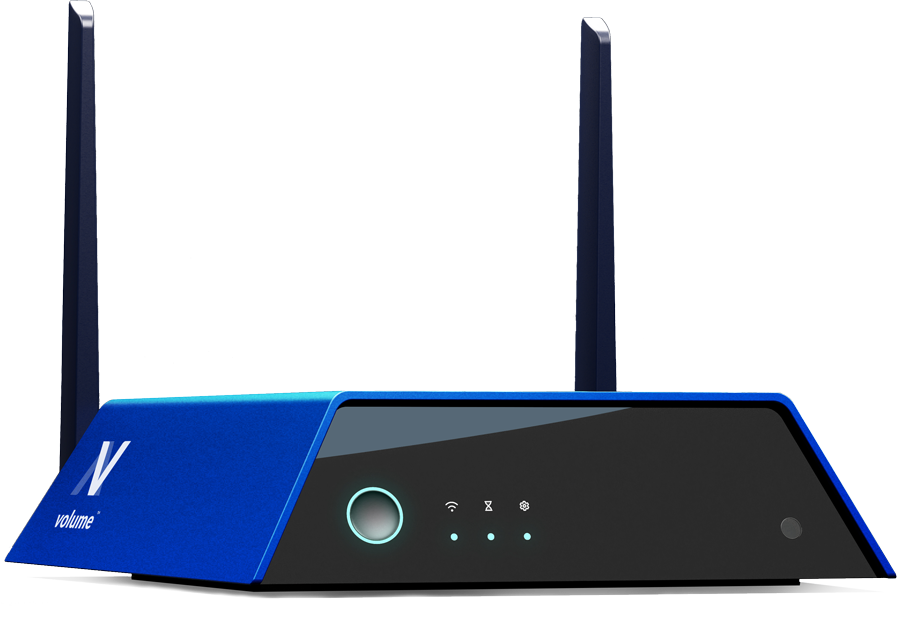








Volume can take on as much of the project as you need, from a single store trial to a national rollout.
Site surveys, screen positions, content plans and a rollout schedule for every location.
Hardware supplied and prepared, installed by our engineers and connected to Hubble before opening.
Remote monitoring, maintenance and engineer visits, with service levels shaped around your estate.
What retailers ask us most before putting screens in their stores.
It depends on screen size, brightness and how many you need. Window screens need high-brightness displays, which cost more than indoor ones. Volume quotes hardware and installation per project and licenses Hubble per screen, so the best way to get a figure is to tell us about your stores.
You can, with a media player such as Relay. Commercial displays are built to run all day, are usually brighter and come with warranties for commercial use, so they tend to last longer in a shop.
Yes. Hubble targets content to individual screens, stores or regions, and can change it automatically by time of day or weather.
Yes. Every screen is managed from Hubble, so a new campaign can go live across all your windows without anyone in store touching the screens.
Often, yes. We start with an audit of your existing screens, players and connectivity, then recommend what to keep, replace or connect to Hubble.
Hubble runs on Android, including Volume’s own Relay player, Samsung Tizen, LG webOS, Windows, ChromeOS, Linux and Raspberry Pi.
From a flagship window to a national estate, tell us what your stores need.